
The way things work
An argument for changing the format when learning gets stuck

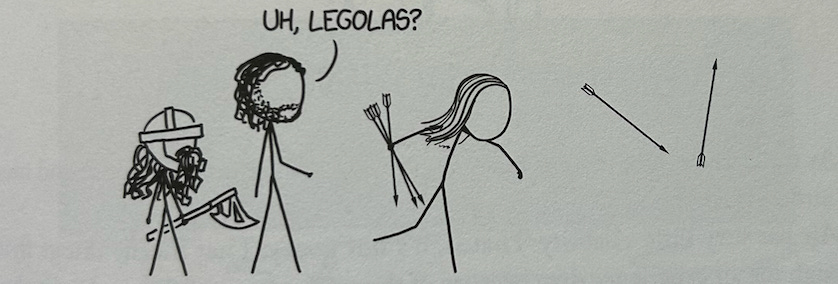
As part of a weekend program where volunteers can teach classes on any chosen subject, Randall Munroe was teaching a physics class to high schoolers at MIT.
He could tell the students were zoning out. They just weren't into it… So halfway through his three-hour talk, he decided to pivot and started talking about math and physics problems using Star Wars and The Lord of the Rings. Suddenly the students perked up. The rhythm of the class changed and they ended up spending the whole second half of class actively working through problems together.
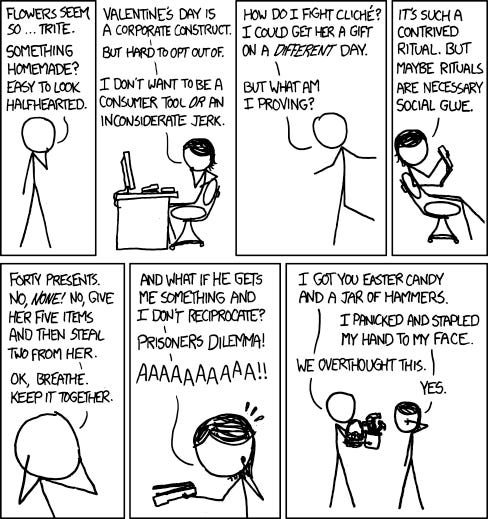
A former NASA roboticist, Munroe later went on to become a full time cartoonist, using his famous stick figure comics to explore themes like technology, science, mathematics and relationships… That classroom discovery, that the right frame makes complex ideas simpler, became the foundation for one of the internet's most beloved learning experiments. And that’s the format we’re exploring today!

📰 What’s the format?
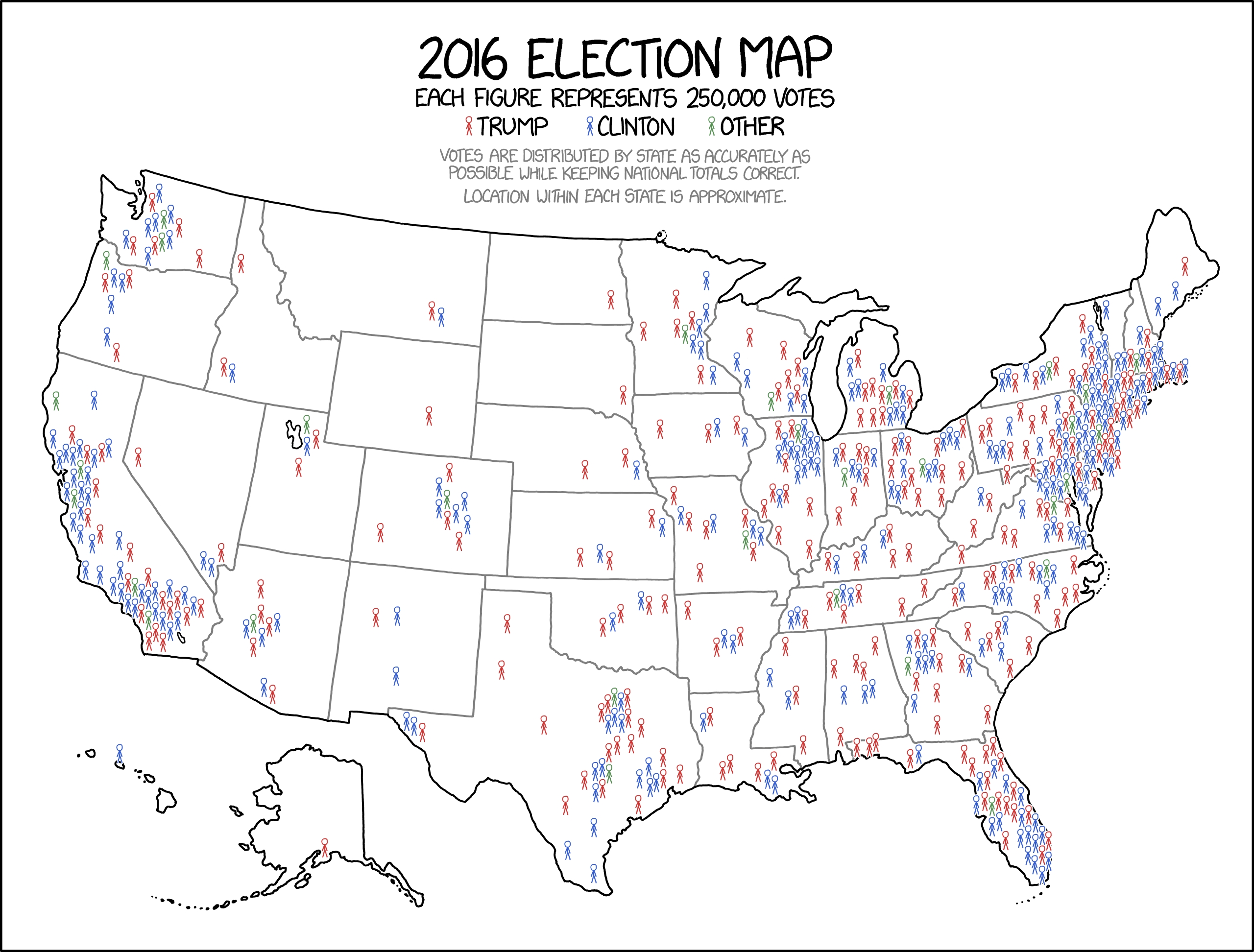
Randall Munroe is the author of xkcd, described as "a webcomic of romance, sarcasm, math, and language". Some researchers have even acknowledged particular xkcd comics as the source of inspiration for their scientific articles!
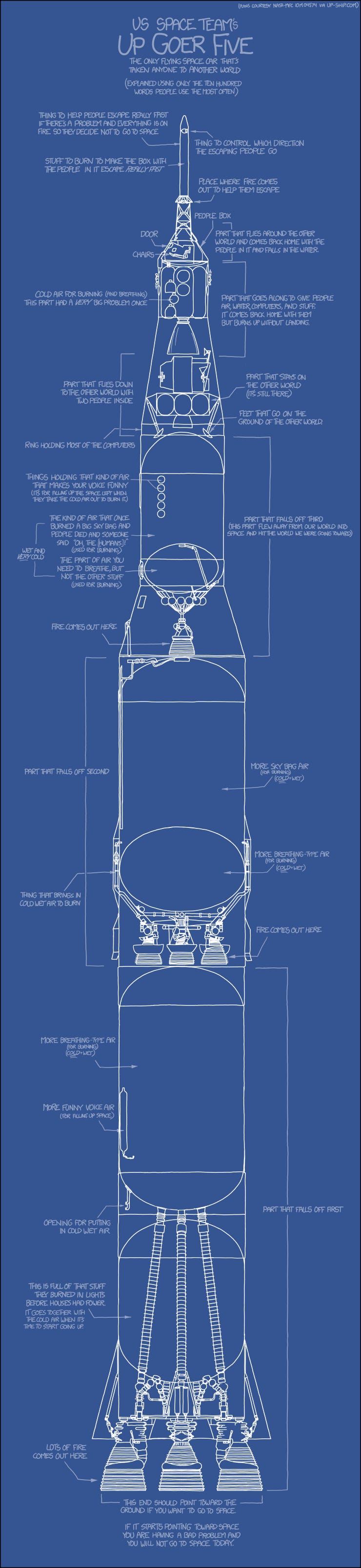
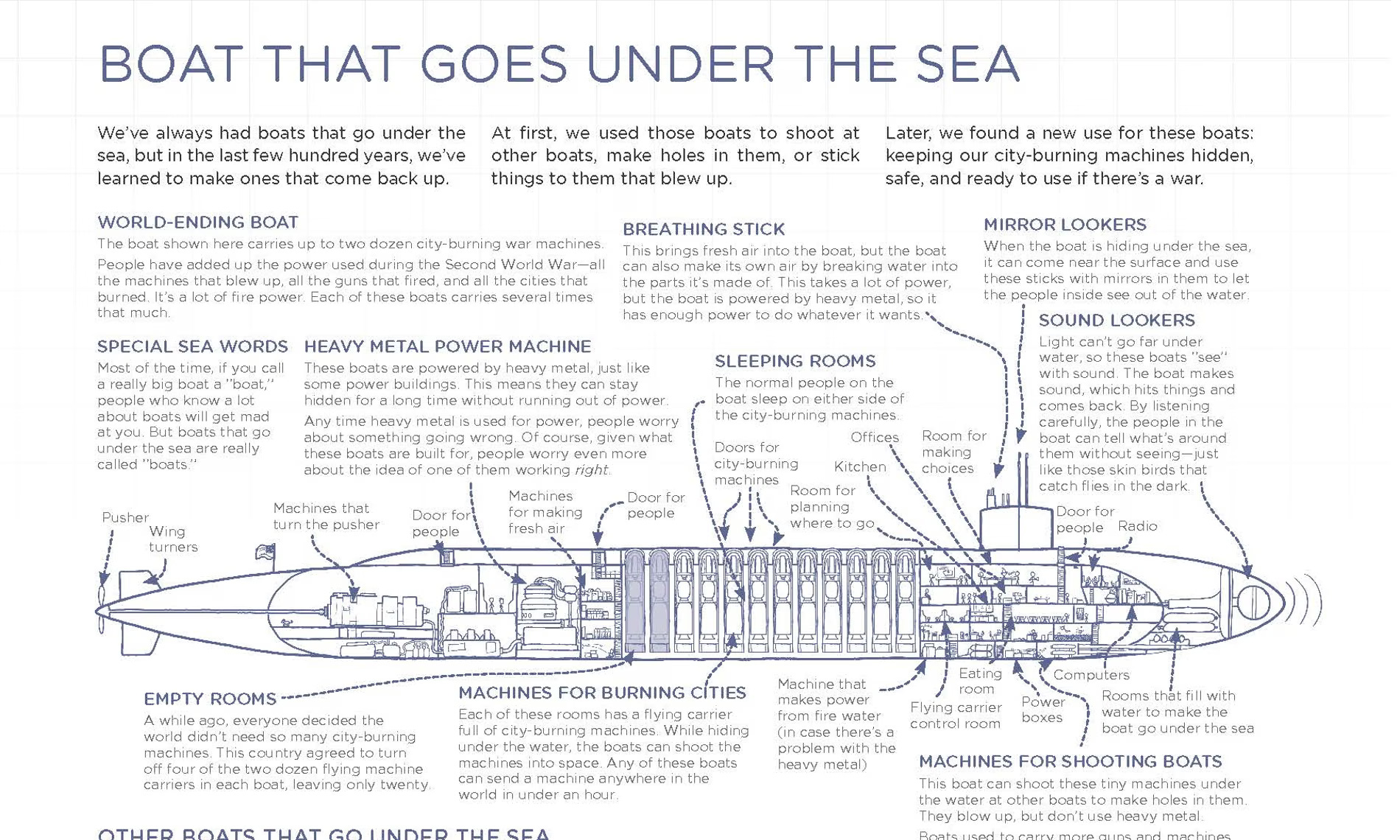
Xkcd is also home to the "What If" feature, which answers unusual science questions from readers in a light-hearted way that is scientifically grounded (it later became a book!) And here’s yet another format: he also wrote "Thing Explainer", which explains technical subjects with only the 1,000 most commonly used words in English (when you can't use 'rocket' or 'combustion,' you have to actually understand how the thing works…) The constraint forces clarity.
Here’s an example of the Saturn V rocket (first used as the launch vehicle for the Apollo 4 mission). “Saturn" isn't a very common word apparently, and neither is rocket:
At first glance, these seem like totally different projects: a webcomic, a Q&A site, an explainer series... But they're all doing the same thing: taking ideas that usually hide behind jargon and making them visible to anyone who's curious. Munroe does this by changing the form, not dumbing down the content.

🎛️ What are the features?
If you ask a book a question, you must answer it yourself. Munroe’s formats take this idea quite literally! (Other formats that do this: Marginalia).
Simplicity and essential detail matter. Complex ideas are easier to grasp when stripped to their core. (Other formats that do this: WIRED’s 5 Levels).
Making multi-disciplinary ideas visual. Images are pedagogical tools. This is the feature we’ll focus on today! (Other formats that do this: Sketches from the field).

💡 Why is this format effective for learning?
There are two things from Munroe’s formats that I really like: 1) the way he makes ideas visual; 2) the cross-disciplinary nature of his thinking.
#1: Making ideas visual
Sometimes when I understand something, I catch myself saying “I see...” This is no accident; when we see something we’re getting a whole web of connections, relationships, and patterns all at once…
We carry maps of our experience in our brains, and we can run through these maps like the frames of a moving picture. We can visualize our world with our eyes closed!

#2. Cross-disciplinary approach
Interesting questions demand assumptions and cross-disciplinary skills to answer. 'How fast would Santa have to travel to deliver presents worldwide?' requires physics (velocity, friction), geography (Earth's surface area), biology (could a human survive those speeds?), and logistics (optimal route planning). When we split knowledge into neat boxes labeled 'physics' and 'math' and 'biology,' we train learners to think in those boxes. Munroe shows what happens when you refuse those boundaries: you get closer to how thinking actually works. (Other formats that do this: The Antidisciplinarathon).
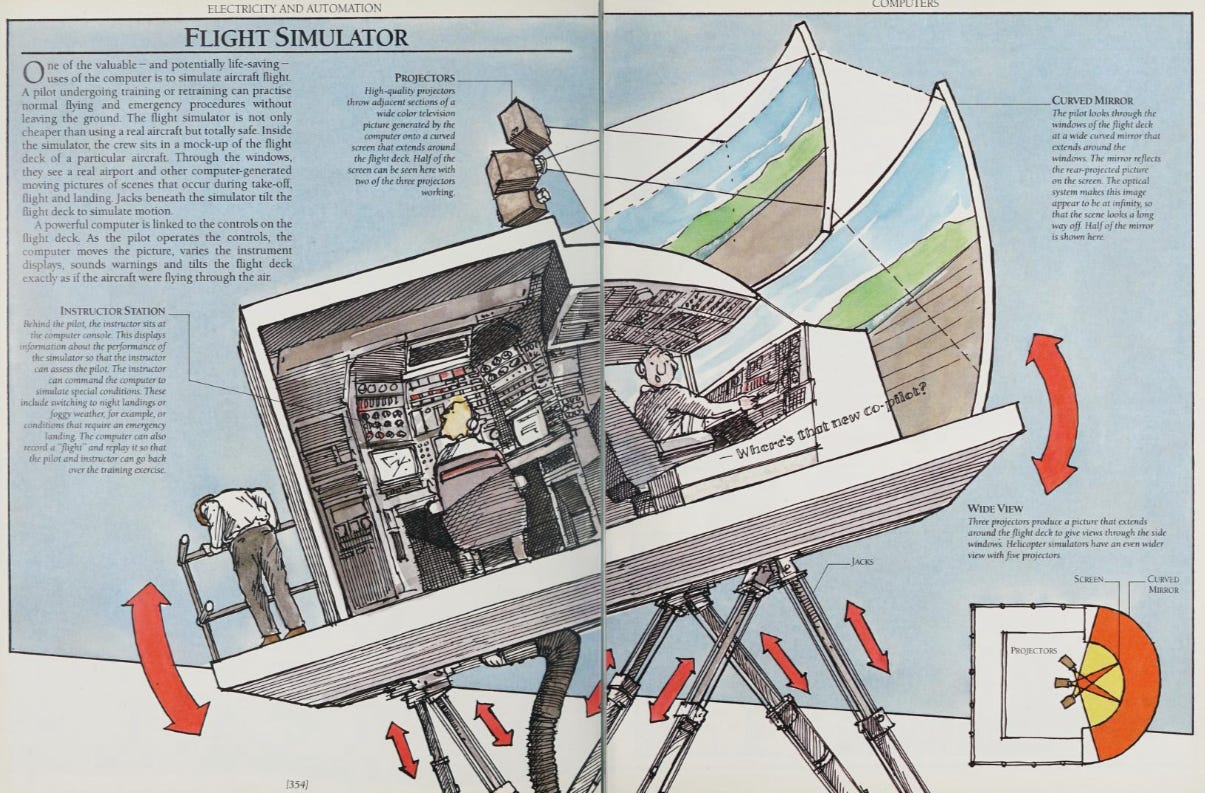
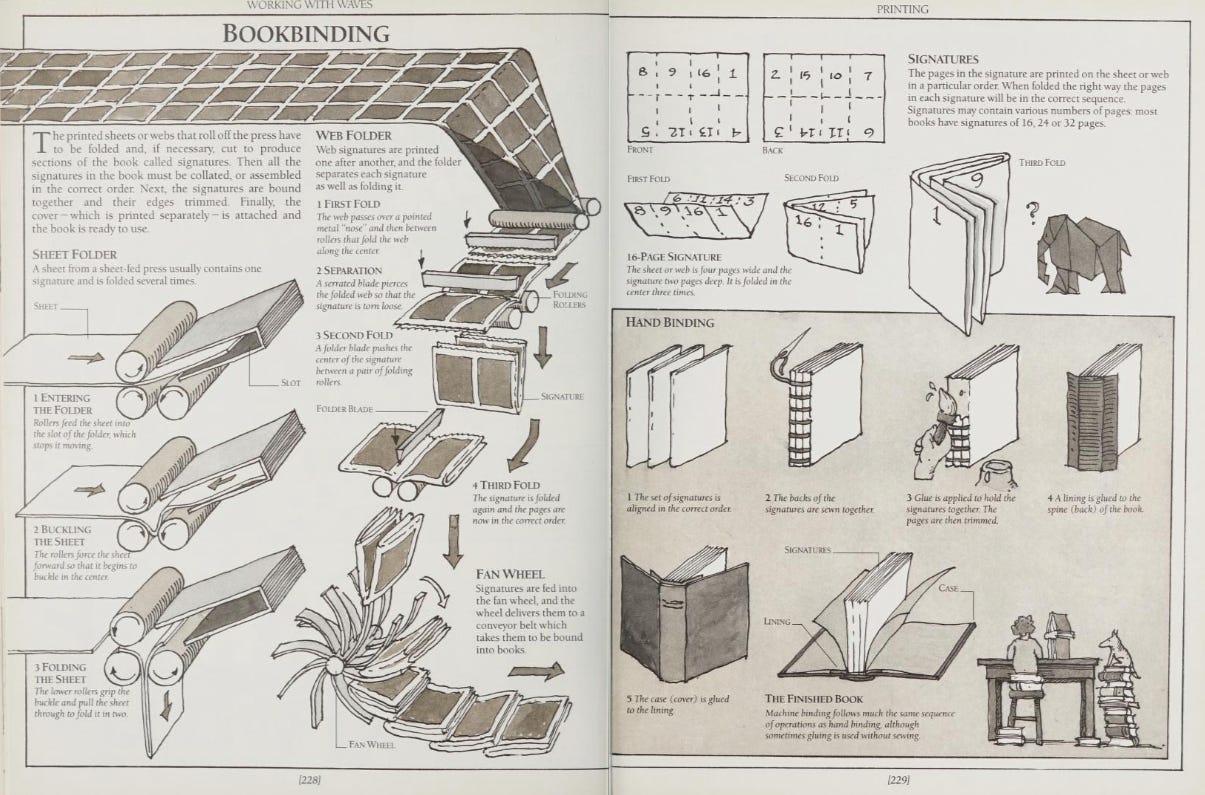
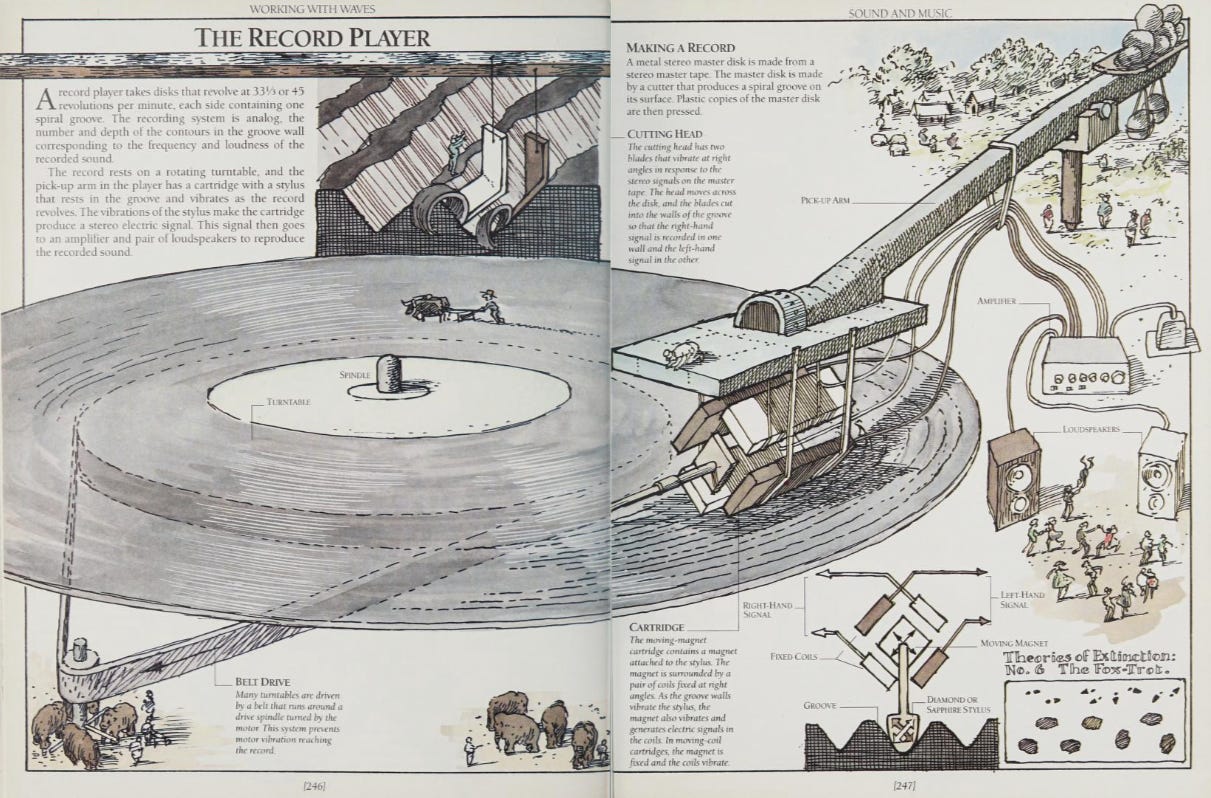
This reminds me of The Way Things Work, by David Macaulay, a book I discovered after reading this Substack post called Some Books for the Mechanically Minded Child.
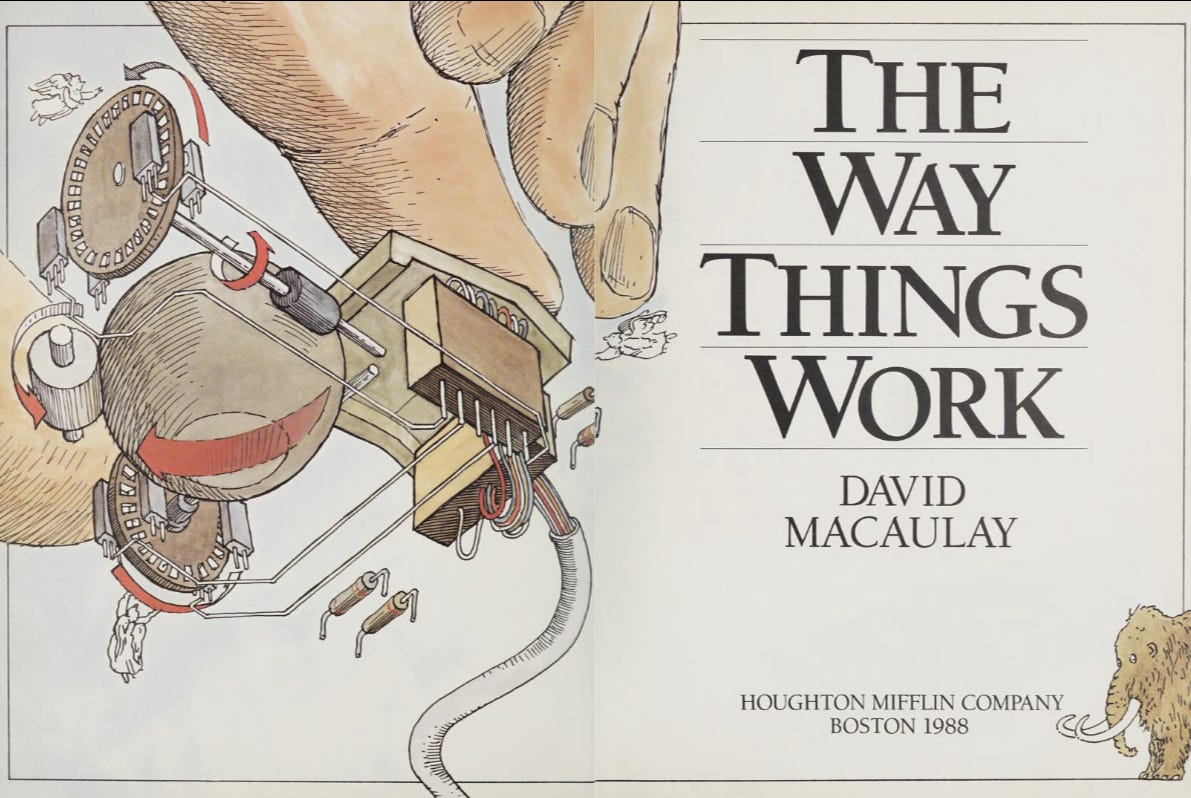
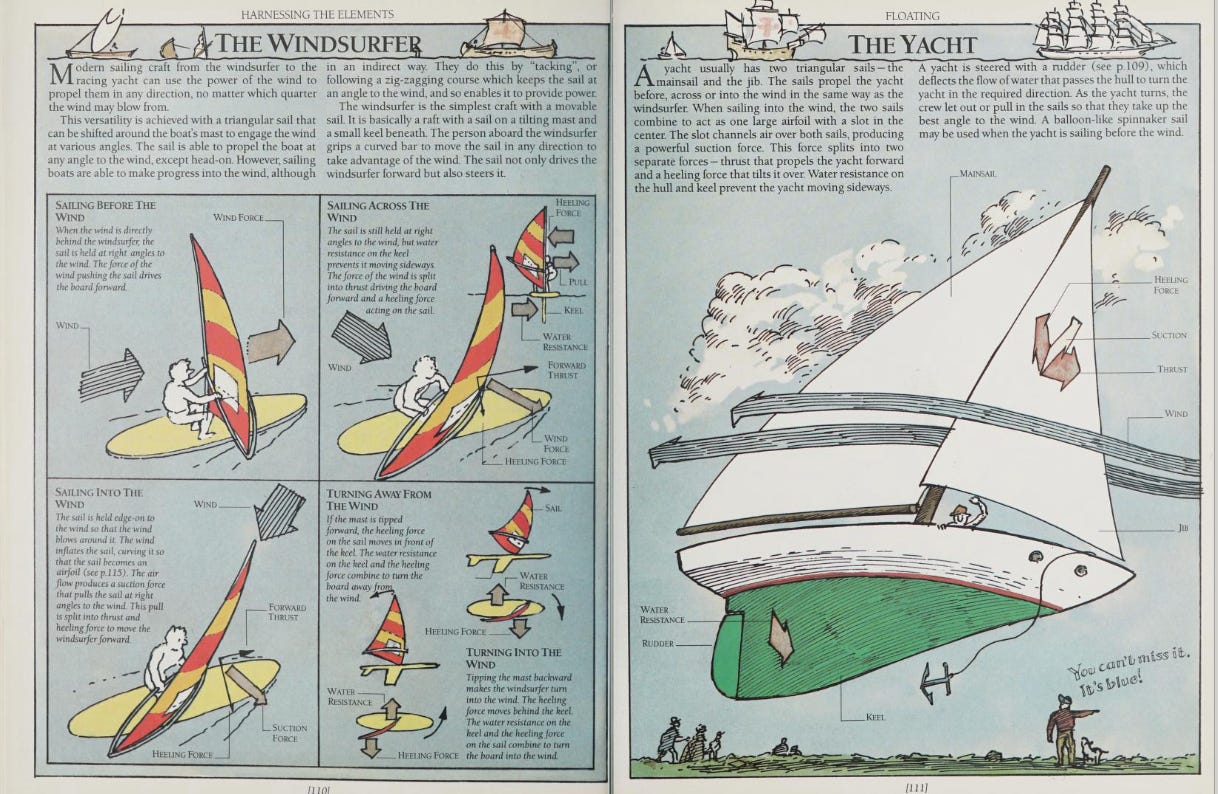
In this book, every page consists of diagrams describing the operation of a machine. These diagrams are informative but playful (most show the machines operated by woolly mammoths).
Macaulay’s illustrations have been featured in nonfiction books combining text and illustrations explaining architecture, design, and engineering…
💌 An invitation
I keep coming back to those MIT students perking up when the problems shifted from abstract physics to Star Wars. They didn't need simpler concepts; they just needed to see them differently.
So here's an invitation. The next time an idea isn't landing, experiment with the format. Try drawing it, even badly. Explain it using only simple words (xkcd.com/simplewriter can help). Describe it through a metaphor from a completely different field…
The origin of the word teacher traces back to an Old English verb —techen— which meant to show. I guess learning has always been less about telling, and more about helping someone see...

🪁 Life Lately
This is the longest stretch I’ve gone without writing here. I’ve been learning to be present, learning how to describe my eclectic work, learning how to grieve… Amongst other things:
Obtained my Experience Design certificate in NY
Caught up with RSM very briefly after the holidays!
Exploring A Pattern Language with awe
Re-reading Range from David Epstein (particularly relevant for my work with AI); Art and Artifact: The Museum as Medium; and El amor en los tiempos del cólera (last time I read it I was in high school!)
Tim Qian has created a Javascript library called chart.xkcd for making charts that look hand-drawn in the style of xkcd.


I appreciate your time. Thank you for reading! 💙 I also value your feedback (suggestions, critiques, constructive ideas…) I’d love to hear about you in the comments.
→ Or just click the heart symbol. That always makes me smile :-)
*This post’s cover gif is from @joelremygif
Siempre es un placer leerte Stefy. Keep up the incredible work. 💚
So interesting ! Learned a lot and got curious on a sunday morning. Thank you !